

Clean Out Your Car
Inspect Your Tires
Check the Gas Cap
Don't Idle
Regular car maintenance is essential to ensure that the best used cars stay in good running order and on the road for longer. In the following article, Drive Direct offers helpful maintenance tips for used car owners. 1. Regularly Maintain and Repair Your Car Regular maintenance is vital to keep your car in good running condition. Have the oil and filter changed at least every 5,000 to 7,500 miles. Oil lubricates the parts and reduces friction that causes wear. Regular oil changes will ensure that your engine runs smoothly, and your car lasts longer. Get repairs done as soon as you experience any car trouble. Minor issues will be detected early on and repaired effectively before more damage occurs, which could lead to expensive repairs and even replacements. If you hear strange noises, smell unpleasant odors, or see smoke, act fast and take your car to a qualified technician for repairs. 2. Keep an Eye on the Fluid Levels The fluids in your car are essential for keeping the parts well-lubricated and cool. Check the engine oil, coolant, brake, transmission, and power steering fluid levels at least once a month to ensure that they are at the correct levels. Also, check the color of the fluid. Ask your technician to replace the fluid if it looks dirty or cloudy. 3. Check Under Your Car for Leaks Check under your car for puddles on the ground. You can also look when you pull out of a parking space if there are wet spots where you were parked. Puddles under your car are an indication that there is a fluid leak. Get this sorted out as soon as possible to avoid further damage. 4. Inspect and Clean the Battery Inspect that the battery connections are tight and that the terminals are free of corrosion. If you spot corrosion around the terminals, use a solution of baking soda and water and clean the build-up off with a brush. Check that the case is not swollen or cracked. If the battery case is damaged, it's best to replace the battery. If you don't know the age of the battery, ask your technician to perform a battery test to determine if you need to replace it. 5. Check, Inflate, and Rotate Your Tires at Regular Intervals To reduce wear, keep your tires inflated to the correct pressure levels. The PSI for your tires is on the inside of your driver's door. Inspect the tires for bubbles and cracks and check the tread depth at least once a month. If you rotate the tires every time you take your car for an oil change, your tires will wear evenly and last longer, saving you money. Good upkeep will ensure that your vehicle lasts longer, is fuel-efficient, and is safe on the road. Best of all, regular maintenance will save you thousands of dollars on unexpected and expensive repairs. Visit Drive Direct today for a wide selection of top-quality pre-owned vehicles and exceptional customer care. Image via pixabay.com | Licensed under Pixabay License
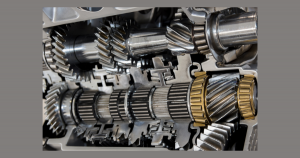
Aside from the engine, a vehicle's transmission is one of the most crucial, and expensive, parts of your car. If it breaks down entirely, a full rebuild or replacement can be one of the most costly fixes during your vehicle's lifetime. When you know what to look for, you'll be able to catch any issues your transmission is having so you can bring it in for transmission repair instead of a complete overhaul. 1. Delayed Gear Shifts If you're shifting from park into drive or are beginning to accelerate after a full stop, your automatic transmission should change into the proper gear on its own. A transmission that is failing won't engage immediately, or you might notice that the RPMs surge, but the engine doesn't. A similar response can happen in a manual transmission, although that can often be remedied by replacing the clutch. 2. Leaking or Low Transmission Fluid Levels Any leaks from your car are worth looking at, but transmission fluid will be easy to quickly identify. It is the only fluid in your car with a sweet smell that is red in color. If you see this type of liquid staining your driveway or garage floor, you have a transmission fluid leak. This leak will cause low fluid levels and may cause damage to the mechanical parts it has been leaking on under the hood. 3. Burning Smell (With or Without Smoke) If your car is smoking under the hood, you will take notice and know something is wrong. The smell of something burning when you turn off your engine, even without smoke, is just as bad but it's better to catch it at this stage before it escalates. If you want to save yourself the cost of needing to replace the transmission completely, have your vehicle serviced immediately if you begin to notice an odor similar to burnt rubber. 4. Unfamiliar Sounds No one knows your vehicle the way you do, so if you begin to hear a sound that is unfamiliar, don't ignore it. When a transmission is breaking down you may start to hear sounds as subtle as humming or whining, or there may be louder grinding or clunking noises. It could be a simple fix like flushing contaminated fluid or it might be something more serious like metal rubbing together creating debris. 5. Engine Service Lights Check engine lights are not just for the engine. The engine is the beating heart of your car so it is connected to every other part, including your transmission, and can detect an issue that needs maintenance. When this light comes on, don't delay in servicing your car. Routine maintenance is the best way to catch any problems early and avoid more serious repairs. Call or stop by Direct Drive today to let us address any of your transmission or maintenance issues. We have experience in all makes and models on the road and can help answer any questions you may have about your vehicle.
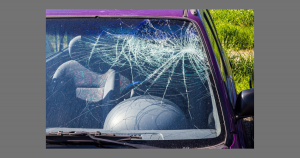
Most drivers will at some time experience the shock of a small rock or other debris hitting their windshield and leaving a chip or crack in the glass. It's an inconvenience and an expense to get it fixed, and, if the damage is not in your line of vision, you might be tempted to ignore it. However, it's important to take action quickly because even the smallest chips and cracks can spread and present a number of risks. Dangers of Driving With a Cracked Windshield Extreme temperature changes can make a cracked windshield worse. The glass expands in the heat and contracts in the cold, and a crack or chip presents a weak spot that can spread. Additionally, if moisture gets into a chip and freezes, it will expand and spread the damage. You can get a ticket for a damaged windshield in some states. If a police officer considers that a crack is interfering with your field of vision, they could deem the vehicle unsafe and give you a ticket. A cracked windshield can put you and your passengers at greater risk in a car accident. In modern cars, the windshield contributes to the structural integrity of the vehicle. If you're involved in a frontal collision, the cracked glass is more likely to shatter, and in a rollover accident, the roof is more likely to cave in. Windshield Repair Depending on the size, position, and severity of the damage, you may be able to get your windshield damage repaired. It's a quicker and more cost-effective solution than having the glass replaced. Generally, if a crack is less than 3 inches long or a chip is smaller than a quarter, the damage can be repaired. DIY auto glass repair kits are available, but they can be time-consuming and difficult if you're not confident in using them. You could actually end up making the damage worse. It's always better to get a quality windshield repair carried out by a professional auto glass company. You'll need to act fast to get a windshield repair, as driving with cracked or chipped glass can make the damage spread. For an expert, the repair is a simple procedure that usually takes less than an hour. The technician will use a small vacuum cleaner to suck any dirt or moisture from the chip or crack. Then they'll inject resin to fill the damaged area. When done professionally, the repair should be a safe long-term solution to a damaged windshield. Windshield Replacement A windshield repair is not always possible, even for small damage. If a chip is directly in your line of vision, a repair can still leave a distortion in the glass. A crack right at the edge of the windshield could spread quickly and undermine the structural integrity of the glass. In these cases, a windshield replacement is the best and safest option. Windshield repair or replacement may be covered under your car insurance policy, although you might have to pay a deductible. When windshield damage happens, contact your local auto glass repairer immediately for advice on the best course of action. Image via pixabay.com | Licensed under Pixabay License