
Blog / Car Maintenance

Blog

All Car Maintenance Local Area Activities near Columbus Used Vehicles Around Town Chevrolet Vehicles Honda Vehicles Auto Financing Ford Vehicles Hyundai Vehicles Mercedes Benz Vehicles Toyota Vehicles Acura Vehicles Audi Vehicles BMW Vehicles Buick Vehicles Car Warranty Chrysler Vehicles Dodge Vehicles Drive Direct Service Ford Trucks GMC Vehicles Jeeps Kia Vehicles Lexus Vehicles Mazda Vehicles Nissan Vehicles RAM Pickups Subaru Vehicles Tips and Tricks Volkswagen Vehicles
Dashboard | Drive Direct in Columbus, OH

5 Important Car Maintenance Tips for Used Car Owners

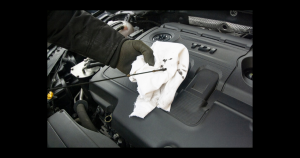
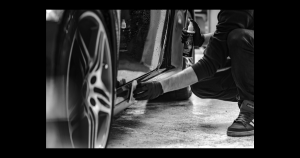
Regular car maintenance is essential to ensure that the best used cars stay in good running order and on the road for longer. In the following article, Drive Direct offers helpful maintenance tips for used car owners. 1. Regularly Maintain and Repair Your Car Regular maintenance is vital to keep your car in good running condition. Have the oil and filter changed at least every 5,000 to 7,500 miles. Oil lubricates the parts and reduces friction that causes wear. Regular oil changes will ensure that your engine runs smoothly, and your car lasts longer. more Get repairs done as soon as you experience any car trouble. Minor issues will be detected early on and repaired effectively before more damage occurs, which could lead to expensive repairs and even replacements. If you hear strange noises, smell unpleasant odors, or see smoke, act fast and take your car to a qualified technician for repairs. 2. Keep an Eye on the Fluid Levels The fluids in your car are essential for keeping the parts well-lubricated and cool. Check the engine oil, coolant, brake, transmission, and power steering fluid levels at least once a month to ensure that they are at the correct levels. Also, check the color of the fluid. Ask your technician to replace the fluid if it looks dirty or cloudy. 3. Check Under Your Car for Leaks Check under your car for puddles on the ground. You can also look when you pull out of a parking space if there are wet spots where you were parked. Puddles under your car are an indication that there is a fluid leak. Get this sorted out as soon as possible to avoid further damage. 4. Inspect and Clean the Battery Inspect that the battery connections are tight and that the terminals are free of corrosion. If you spot corrosion around the terminals, use a solution of baking soda and water and clean the build-up off with a brush. Check that the case is not swollen or cracked. If the battery case is damaged, it's best to replace the battery. If you don't know the age of the battery, ask your technician to perform a battery test to determine if you need to replace it. 5. Check, Inflate, and Rotate Your Tires at Regular Intervals To reduce wear, keep your tires inflated to the correct pressure levels. The PSI for your tires is on the inside of your driver's door. Inspect the tires for bubbles and cracks and check the tread depth at least once a month. If you rotate the tires every time you take your car for an oil change, your tires will wear evenly and last longer, saving you money. Good upkeep will ensure that your vehicle lasts longer, is fuel-efficient, and is safe on the road. Best of all, regular maintenance will save you thousands of dollars on unexpected and expensive repairs. Visit Drive Direct today for a wide selection of top-quality pre-owned vehicles and exceptional customer care. Image via pixabay.com | Licensed under Pixabay License

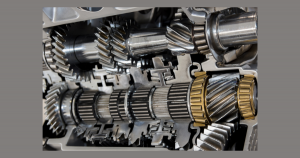
Transmission | Drive Direct in Columbus, OH

5 Signs Your Car May Need a Transmission Repair

Aside from the engine, a vehicle's transmission is one of the most crucial, and expensive, parts of your car. If it breaks down entirely, a full rebuild or replacement can be one of the most costly fixes during your vehicle's lifetime. When you know what to look for, you'll be able to catch any issues your transmission is having so you can bring it in for transmission repair instead of a complete overhaul. 1. Delayed Gear Shifts If you're shifting from park into drive or are beginning to accelerate after a full stop, your automatic transmission should change into the proper gear on its own. A transmission that is failing won't engage immediately, or you might notice that the RPMs surge, but the engine doesn't. A similar response can happen in a manual transmission, although that can often be remedied by replacing the clutch. more 2. Leaking or Low Transmission Fluid Levels Any leaks from your car are worth looking at, but transmission fluid will be easy to quickly identify. It is the only fluid in your car with a sweet smell that is red in color. If you see this type of liquid staining your driveway or garage floor, you have a transmission fluid leak. This leak will cause low fluid levels and may cause damage to the mechanical parts it has been leaking on under the hood. 3. Burning Smell (With or Without Smoke) If your car is smoking under the hood, you will take notice and know something is wrong. The smell of something burning when you turn off your engine, even without smoke, is just as bad but it's better to catch it at this stage before it escalates. If you want to save yourself the cost of needing to replace the transmission completely, have your vehicle serviced immediately if you begin to notice an odor similar to burnt rubber. 4. Unfamiliar Sounds No one knows your vehicle the way you do, so if you begin to hear a sound that is unfamiliar, don't ignore it. When a transmission is breaking down you may start to hear sounds as subtle as humming or whining, or there may be louder grinding or clunking noises. It could be a simple fix like flushing contaminated fluid or it might be something more serious like metal rubbing together creating debris. 5. Engine Service Lights Check engine lights are not just for the engine. The engine is the beating heart of your car so it is connected to every other part, including your transmission, and can detect an issue that needs maintenance. When this light comes on, don't delay in servicing your car. Routine maintenance is the best way to catch any problems early and avoid more serious repairs. Call or stop by Direct Drive today to let us address any of your transmission or maintenance issues. We have experience in all makes and models on the road and can help answer any questions you may have about your vehicle.

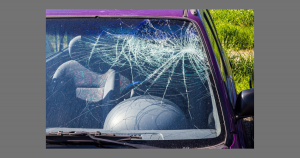
Cracked windshield | Drive Direct in Columbus, OH

What to Do If Your Windshield Cracks

Most drivers will at some time experience the shock of a small rock or other debris hitting their windshield and leaving a chip or crack in the glass. It's an inconvenience and an expense to get it fixed, and, if the damage is not in your line of vision, you might be tempted to ignore it. However, it's important to take action quickly because even the smallest chips and cracks can spread and present a number of risks. Dangers of Driving With a Cracked Windshield Extreme temperature changes can make a cracked windshield worse. The glass expands in the heat and contracts in the cold, and a crack or chip presents a weak spot that can spread. Additionally, if moisture gets into a chip and freezes, it will expand and spread the damage. more You can get a ticket for a damaged windshield in some states. If a police officer considers that a crack is interfering with your field of vision, they could deem the vehicle unsafe and give you a ticket. A cracked windshield can put you and your passengers at greater risk in a car accident. In modern cars, the windshield contributes to the structural integrity of the vehicle. If you're involved in a frontal collision, the cracked glass is more likely to shatter, and in a rollover accident, the roof is more likely to cave in. Windshield Repair Depending on the size, position, and severity of the damage, you may be able to get your windshield damage repaired. It's a quicker and more cost-effective solution than having the glass replaced. Generally, if a crack is less than 3 inches long or a chip is smaller than a quarter, the damage can be repaired. DIY auto glass repair kits are available, but they can be time-consuming and difficult if you're not confident in using them. You could actually end up making the damage worse. It's always better to get a quality windshield repair carried out by a professional auto glass company. You'll need to act fast to get a windshield repair, as driving with cracked or chipped glass can make the damage spread. For an expert, the repair is a simple procedure that usually takes less than an hour. The technician will use a small vacuum cleaner to suck any dirt or moisture from the chip or crack. Then they'll inject resin to fill the damaged area. When done professionally, the repair should be a safe long-term solution to a damaged windshield. Windshield Replacement A windshield repair is not always possible, even for small damage. If a chip is directly in your line of vision, a repair can still leave a distortion in the glass. A crack right at the edge of the windshield could spread quickly and undermine the structural integrity of the glass. In these cases, a windshield replacement is the best and safest option. Windshield repair or replacement may be covered under your car insurance policy, although you might have to pay a deductible. When windshield damage happens, contact your local auto glass repairer immediately for advice on the best course of action. Image via pixabay.com | Licensed under Pixabay License
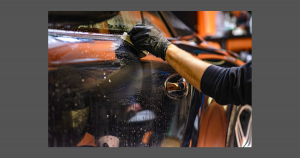
Waxing your car | Drive Direct in Columbus, OH

How to Care for Your Car’s Exterior

Your car is likely one of your most important investments, so it's essential to take care of it. Keeping your car's exterior in good condition is a year-round job since it is exposed to elements during every season. Whether it's snow and ice, wind, or the harsh sun, it all takes a toll on your car. Here are some tips for how to care for your car's exterior. Wash It One of the most basic tips for taking care of your car is to clean it. Wash it regularly and often to remove debris that can harm the paint. Regular washing will also reduce the chances of rusting. If you wash it at home, find a shady spot or do it in the early morning, or wait until evening when the sun isn't high in the sky. Fill two buckets with water. more Add a cleaner to one and keep the other filled with clean water for rinsing. If you prefer to take it to a car wash, find a high-quality one and make sure it removes all the dust and dirt from the paint and the undercarriage. Dry your car after washing it. Find a soft cloth and run it over the entire exterior of the car. If you skip this step, the paint can develop mineral spots that will stain the paint when the sun beats down on it. Always Use Cleaners Designed for Autos Never use household cleaners on your vehicle. Take the time to go to the store and purchase a quality cleaner designed for autos. Household cleaners can scratch and damage the paint. It is also important to use a soft cloth or sponge to clean it. A terry or microfiber cloth will always do the trick. Wax It Wax is an important part of keeping your car looking good, and it also protects the paint. A coat of wax creates a barrier between the paint and all the outdoor elements, such as the sun and harsh weather. You don't have to wax every time you wash your car, but you should apply a coat several times a year. You can do it yourself or bring it to a car wash that offers quick wax application. Keep It Out of the Sun The sun's rays harm a vehicle's exterior paint. Do your best to keep your vehicle protected from the heat and the sun as much as possible. This might mean parking in the shade when you can find a spot, keeping it in a garage, or even getting a car cover. A good cover will protect the vehicle from harmful UV rays, which will cause the paint to fade. Keeping your car covered will also protect it from other elements such as sap dripping from trees, falling debris during a storm, and bird droppings. It only takes a short time to wash your car, but it makes a big difference. Keeping it clean and protected with a layer of wax will help it last longer and look good for many years. Image via pixabay.com | Licensed under Pixabay License
Car organizing | Drive Direct in Columbus, OH

5 Tips for Organizing Your Minivan

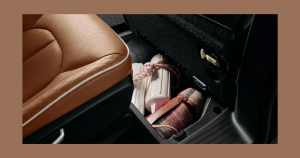
With spring here, it's time to do some spring cleaning and reorganizing. One thing you don't want to forget to spruce up is the inside of your minivan. Improving the organization in your minivan can go a long way to prevent the dreaded weekly cleanups of the interior. Those with large families know how fast the mess factor in the back seats can escalate. So stay on top of the clean game with these five top minivan organization tips. Add Custom-Fit Floor Mats more Spending a few extra dollars on custom-fitted floor mats can make worrying about spills a thing of the past. Cleaning around the back seats, which are often a minefield of old French fries, sand, dirt, and much more is as easy as removing the mat and dumping the contents into the trash. Forget the vacuum: Many of these mats can be hosed off for easy cleanup! Equip Your Car with Cleaning Essentials Keeping adequate cleaning supplies in your minivan can prevent small messes from turning into big ones. Items such as leather wipes, disinfectant wipes, a spare trash bag, and a battery-powered vacuum can all be stowed comfortably in the compartments below the seats, such as those found on the 2021 Chrysler Pacifica. When you don't need them, they'll be entirely out of sight. Behind-the-Seat Hooks Adding extra organization and storage options is always a great way to keep order in the back of your minivan. Storage hooks that hang behind the seat can hold backpacks and other belongings for easy access. It also keeps items off the floor, so they don't slip underneath the seats, not to be seen for months on end. Those with older kids or more full seats in the minivan may find that behind-the-seat hooks take up too much valuable legroom. In this case, turn to handy extras such as Command hooks, which can be hung anywhere. Take Advantage of In-Cabin Storage Vehicle designers have added all kinds of helpful storage space throughout the cabin for drivers and passengers to stay organized. For example, the Chrysler Pacifica features a storage compartment underneath the console for private storage, making it perfect for purses and other valuables. Be sure to also take advantage of areas under the floor of the cargo compartment and under the seats. It's more convenient to keep some items in your car at all times, but that doesn't mean you need to keep them in plain sight. Go Wireless Wireless charging is finally here! When shopping for a new vehicle, see if there are options to include a wireless charging port. This can greatly reduce clutter for front passengers by removing all the wires around the cabin. For example, the 2021 Chrysler Pacifica includes a wireless charging station as well as a USB-C port that provides ultra-fast charging times. This year, resolve to keep your minivan clean, organized, and free of clutter. Many features of the newly redesigned Chrysler Pacifica are designed to help you stay organized – give us a visit at Drive Direct and see what we’ve got for you! Image via chrysler.com

Oil Change | Drive Direct in Columbus, OH

What Happens During an Oil Change?

Engine oil is the lifeblood of your car, and routine oil changes are essential for protecting your engine and keeping your vehicle running smoothly. Here we'll take a look at what happens during an oil change and – more importantly – what happens if you don't change the oil. When Should You Get Your Oil Changed? You should follow your car manufacturer's specifications, but the recommended oil change interval is generally between 3,000 and 5,000 miles. more However, you may need to change your oil more often if you typically drive less than 5 miles at a time, regularly carry heavy loads or tow a trailer, go off-roading, or drive mostly in extremely hot, cold, or dusty conditions. Some modern cars feature oil-life monitoring systems that automatically let you know when it's time for an oil change. What Happens During an Oil Change? When you take your car for an oil change, the technician will first check the oil level and condition, as these can indicate problems. They will then either lift the car up or go into a pit underneath it. The oil drain plug will be removed to allow the old oil to drain out into a container. While the oil is draining, the technician will remove and inspect the old oil filter and replace it with a new one. The next step is to replace the drain plug and refill the engine with fresh oil. The technician should use the grade of oil recommended by the vehicle's manufacturer. According to the U.S. Department of Energy, using the wrong grade can reduce your gas mileage by 1% to 2%. What Happens If You Don't Change Your Oil? Over time, the engine oil starts to wear out and break down, causing it to work less efficiently at absorbing heat and lubricating the engine components. Eventually, your smooth, clear oil will turn into dirty sludge. As it continues to circulate, your engine will have to work harder, and the reduction in lubrication can cause you a whole lot of problems. Not changing the oil can result in: A void warranty. If your car has a warranty, it can be voided by not changing the oil at the manufacturer's recommended intervals. A blown head gasket, which can be an expensive repair and can lead to other engine damage. Inefficient performance. Apart from lubricating, your oil helps keep your engine clean. Dirty oil and a clogged oil filter can lead to less efficient performance and increased fuel consumption. A seized engine. When the oil becomes less effective at lubricating and reducing heat, the engine parts will start to grind against each other. Eventually, the components can warp causing the engine to seize up completely. That would mean a new engine or a new car. So, there you have it. Scheduling a regular oil change is a simple and cost-effective way of keeping your car running smoothly and efficiently and prolonging the life of your engine. It’s one of the quickest and least expensive maintenance services and will save you money in the long run. Image via pixabay.com | Licensed under Pixabay License
Washing car | Drive Direct in Columbus, OH

4 Ways to Prepare Your Car for Spring

With spring here, you're probably eager to get outside and enjoy the warmer weather! Maybe you're planning a road trip for spring break, or you're visiting family for the weekend. One way to help make your trip a success is to prepare your car for the spring season. Here are four ways to get your car ready for spring. Wash Your Car One of the last things you want to do when it's freezing outside is wash your car, so there's a good chance you've been putting off this essential chore. As soon as the weather starts to warm up, you should give your car a good washing. Winter weather can be pretty harsh on your vehicle, especially if you live in an area where it snows. more Road salt can eat away at the car's paint if it builds up, and if you haven't washed your car in a while, it probably has all kinds of dirt and grime on it that can cause even more damage. If you decide to save some money by not going to a car wash and washing your car yourself, be sure to add baking soda to your bucket of water. It can neutralize road salt and make it easier to remove tough buildup. Inspect Your Tires Winter weather is also tough on your car's tires. Cold air can cause a drop in tire pressure and snow-covered roads can cause extra wear and tear on the tread. You should check the tire pressure and make sure your tires are properly inflated. Consult your owner's manual to see how much air your tires need. Tire pressure can affect your vehicle's gas consumption, so keeping the correct amount of air in your tires can save you money while also preventing a dangerous blowout. If the tread on your tires is too worn, you'll want to replace them. Get an Oil Change The spring season is the perfect time of year to change your car's oil, especially if you had to use a winter blend during colder months. Winter blends are thinner than warm weather blends, and they'll thin out further when it's hot outside. Even if you use a multi-grade oil suitable for year-round use, you should still change your oil according to the intervals noted in your owner's manual. Dirty oil can cause significant damage to your car's engine. Check Your Windshield Wipers If you live in an area where it snows, you'll inevitably have to use your windshield wipers to clear away ice. This ice teams up with the cold winter air to tear up your windshield wipers. Replacing worn-out windshield wipers is one of the easiest and least expensive ways to prepare your car for spring. Even if you don't see signs of wear and tear, you should replace your wipers if they leave your windshield streaky. Hopefully, you find these tips to be helpful! By preparing your car for spring, you can drive with confidence and enjoy your car for years to come. Image via pixabay.com | Licensed under Pixabay License
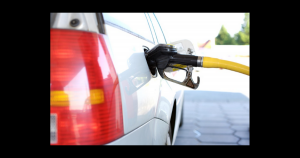
Fueling car | Drive Direct in Columbus, OH

4 Tips for Maximizing Your Fuel Efficiency

While driving is an essential activity in our daily lives, it's also an expensive one. A significant expense for most drivers is purchasing fuel. However, by maximizing your vehicle's fuel efficiency, you can spend less time and money at the gas station! Here are four tips for maximizing fuel efficiency. Clean Out Your Car One of the easiest things you can do to maximize your vehicle's fuel efficiency is to clean out any unnecessary items. When your car or SUV is weighed down, it has to consume more fuel. Make sure that the kids don't leave their backpacks and athletic equipment in the car after school. After a shopping trip, you should remove all of your bags. more If you have a roof rack or bike rack that you're not using, take it off the SUV. When you do have to use a cargo box, use a rear-mounted box instead of a roof-mounted box. A cargo box on the rear causes less resistance. Remove the box as soon as you're finished using it. Simply put - don't use your vehicle for storage! Inspect Your Tires Inspecting your tires not only ensures that they're safe to drive on but can also help you conserve fuel. Under-inflated tires can reduce your car's fuel efficiency by up to 3%. Your owner's manual will tell you how much air your tires should have. Because changes in temperature, frequent driving, and many other factors can affect tire pressure, you should check it once a month. You should also consult your owner's manual to see how often your car's wheels should be aligned. If the wheels are out of alignment, your tires will suffer from excessive wear and tear. Worn-out tires put extra strain on your car's engine, forcing it to consume more fuel. If you start to notice that your car pulls to one side or is harder to steer, you should take your car in for an alignment even if it hasn't reached the interval listed in the owner's manual. Check the Gas Cap If you're driving down the road and your "Check Engine" light comes on, don't panic - but don't ignore it either. It could mean you have a loose or broken gas cap. While this is a simple fix, it can impact your vehicle's fuel efficiency by letting fumes escape from the gas tank. Escaping fumes aren't just bad for your car; they're harmful to the environment. After fueling up the car, always make sure to tighten the gas cap when you put it back on. If you notice your cap is broken or missing, replace it as soon as possible. Don't Idle In the last few years, manufacturers have added a start-stop function to vehicle engines. The reason for this new feature is the unnecessary consumption of fuel when the car is idling. Even if your car doesn't have start-stop technology, you can still turn off your car's engine when you're stopped at an extended red light. You don't have to warm up your car before you drive it either. This is another unnecessary habit that wastes fuel. Hopefully, you find these tips helpful. By maximizing your car's fuel efficiency, you'll boost your budget and enjoy your car even more! Image via pixabay.com | Licensed under Pixabay License
Contact Us

Fill out this form below and we'll contact you shortly
*Required Fields